Limited Device Interoperability
Telephony, paging, access control, alarm and intercom devices often come from different vendors with incompatible protocols and interfaces, making coordinated workflows difficult.

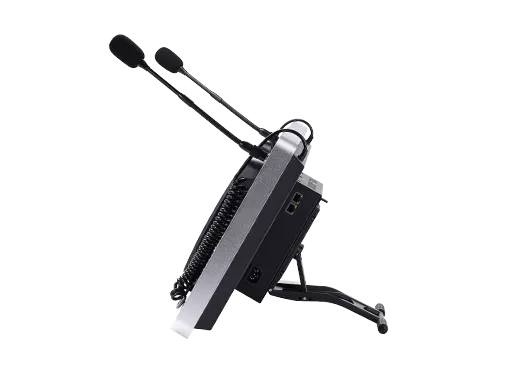
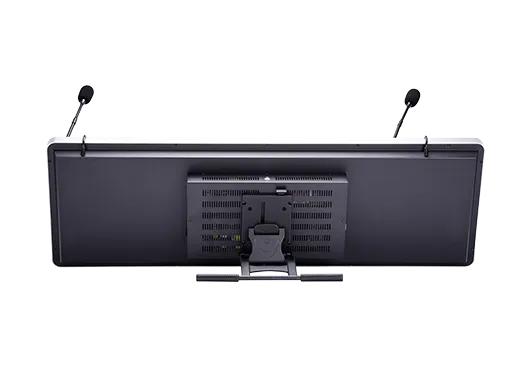
Becke Telcom’s BK-DSC-BD215S Dispatch Console: professional command & scheduling device for emergency, public security. Enables seamless communication integration and stable real-time dispatch.
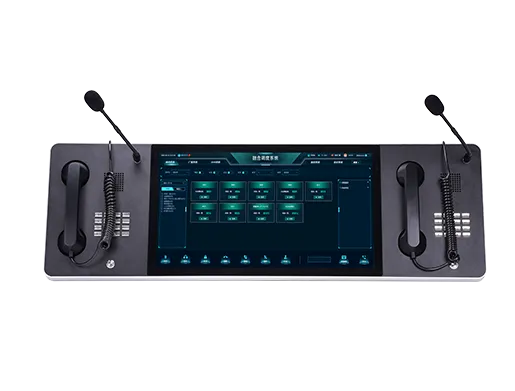
Becke BD215S Telephone Dispatching Console is a core human-machine interaction terminal in the industrial communication and emergency command system. As the operational core of the dispatch command system, it undertakes the key functions of centralized management and control of communication terminals, rapid delivery of voice commands, and multi-system linkage scheduling. Widely used in industrial scenarios such as tunnels, mines, chemical industry, rail transit, energy and power, it can seamlessly connect with industrial telephones, emergency broadcasting, video surveillance and other systems to achieve the dispatch goals of unified command, rapid response, and collaborative disposal. It is a core device for improving the efficiency of emergency disposal in industrial scenarios.
Durability is a top priority for the BD-215S, as it is intended for use in demanding industrial and public service environments. All core components, from the touch screen to the handsets and keyboard, adhere to industrial-grade standards, ensuring reliable performance even in conditions with high noise, dust, or temperature fluctuations. The console is fitted with an adjustable non-slip stand, which allows flexible adjustment of the operating angle. This ergonomic design enables operators to find the most comfortable viewing and operating position, reducing fatigue during long shifts and improving overall work efficiency.
In terms of system and interface configuration, the BD-215S offers exceptional flexibility. It natively supports both Windows 10 and Linux operating systems, catering to the diverse IT infrastructure requirements of different organizations. This compatibility ensures seamless integration with existing software and systems, eliminating the need for costly upgrades or replacements. The console is also equipped with three network ports, USB interfaces, and an HDMI output. These interfaces enable easy connection to a wide range of peripheral devices and systems, including surveillance cameras, explosion-proof terminals, IPPBX systems, and production management platforms, meeting the needs of multi-terminal linkage in complex dispatch scenarios.
Telephony, paging, access control, alarm and intercom devices often come from different vendors with incompatible protocols and interfaces, making coordinated workflows difficult.
Early deployments may cover only limited areas. Adding campuses, buildings, terminals or mobile applications can require duplicated infrastructure or platform replacement.
Alarms, calls, paging and video often run independently, forcing operators to switch between interfaces and making incident status difficult to track end to end.
Incidents often involve security, facilities, duty teams and management. Without a unified dispatch entry point, information must be relayed manually, delaying field response and coordinated action.
Share your existing systems, number of campuses, terminal types and key scenarios. We can help define access methods, system boundaries and implementation steps.
Contact Us Now