Limited Device Interoperability
Telephony, paging, access control, alarm and intercom devices often come from different vendors with incompatible protocols and interfaces, making coordinated workflows difficult.

Becke Telcom BK-DSC-238 industrial dispatch console with dual 23.8-inch FHD touch screens, full aluminum body, Intel I5 industrial control motherboard, triple-screen display & dual IP phones. Ideal for power, metallurgy, chemical & multi-industry professional dispatch with stable 24/7 operation.
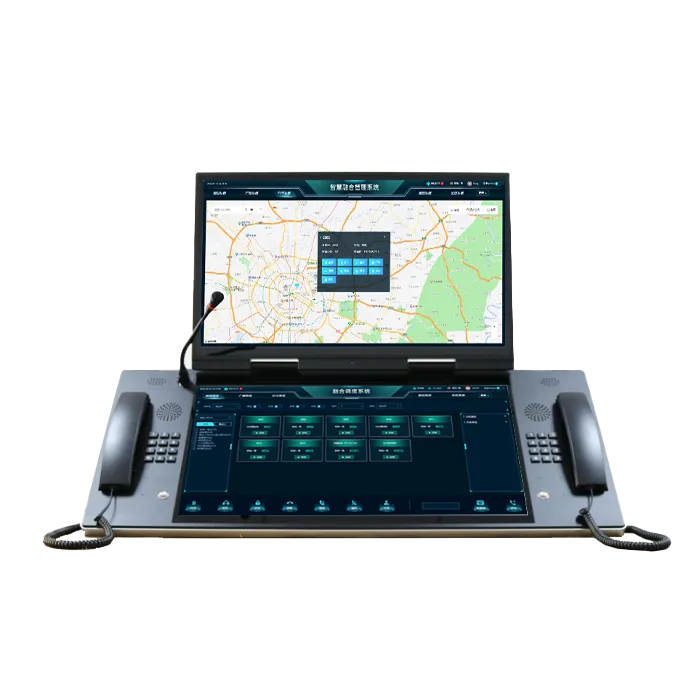
Campus systems are often built over many years with equipment from multiple vendors. Project success depends less on any single terminal than on interoperability, future scalability and fast cross-team coordination when an incident occurs.
Telephony, paging, access control, alarm and intercom devices often come from different vendors with incompatible protocols and interfaces, making coordinated workflows difficult.
Telephony, paging, access control, alarm and intercom devices often come from different vendors with incompatible protocols and interfaces, making coordinated workflows difficult.
Telephony, paging, access control, alarm and intercom devices often come from different vendors with incompatible protocols and interfaces, making coordinated workflows difficult.
Telephony, paging, access control, alarm and intercom devices often come from different vendors with incompatible protocols and interfaces, making coordinated workflows difficult.
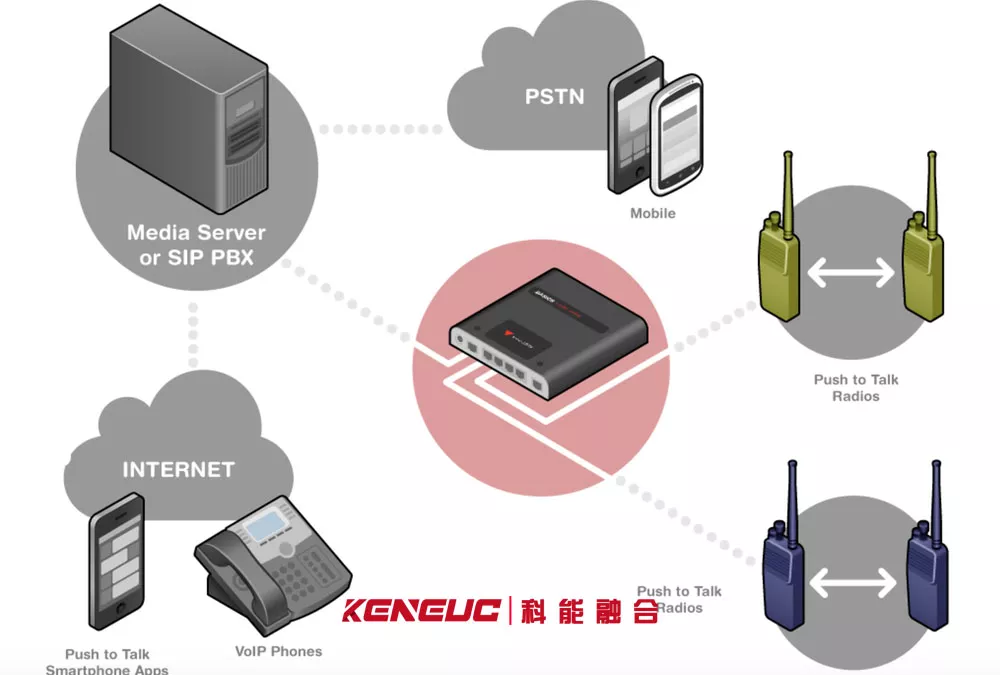
Campus communications are often split across office phones, public address, access intercoms, dormitory duty stations and emergency alarms. Unified access keeps faculty, security, facilities and duty centers connected through desk phones, dispatch consoles, mobile devices and field terminals.
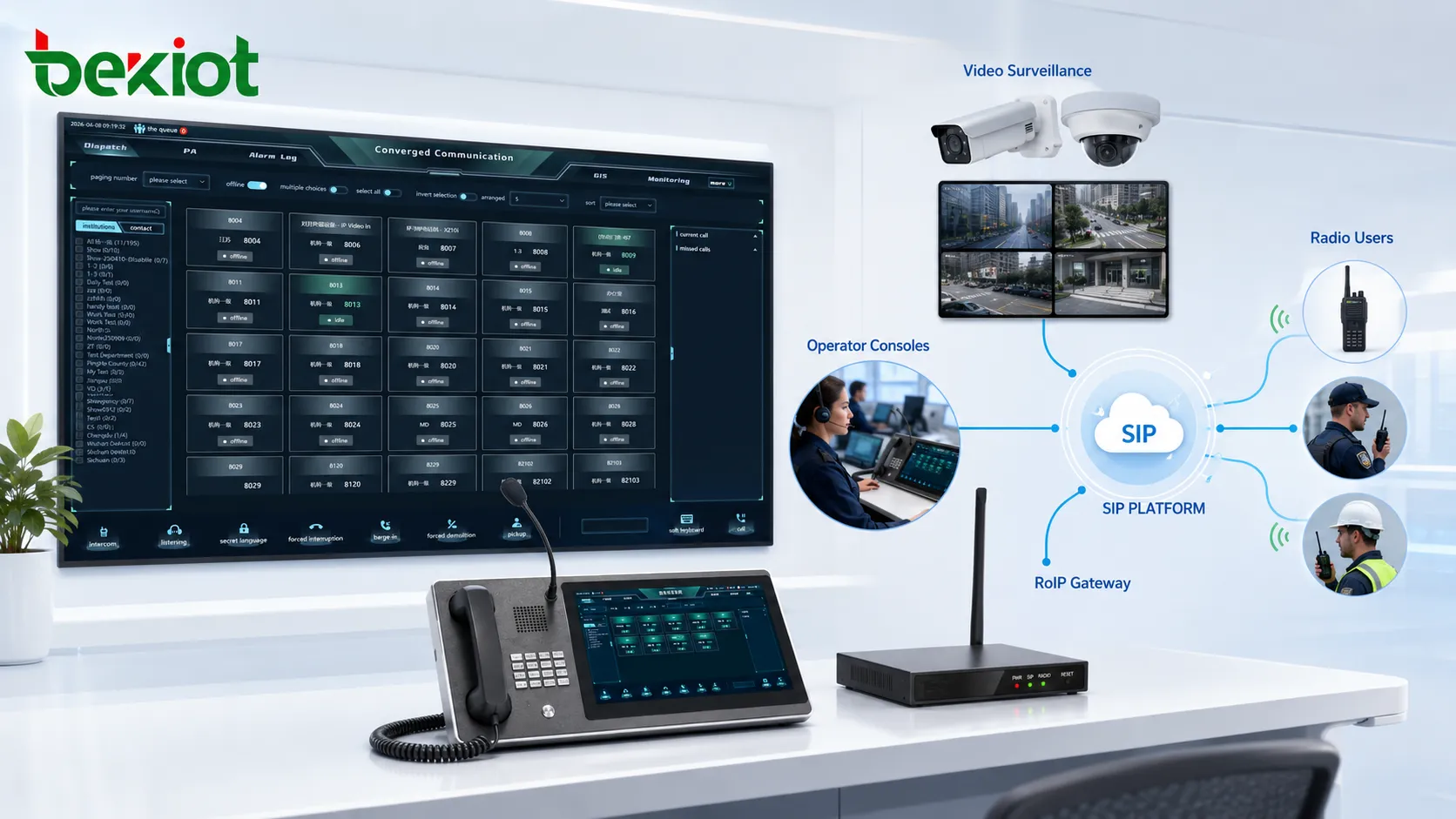
Campus communications are often split across office phones, public address, access intercoms, dormitory duty stations and emergency alarms. Unified access keeps faculty, security, facilities and duty centers connected through desk phones, dispatch consoles, mobile devices and field terminals.
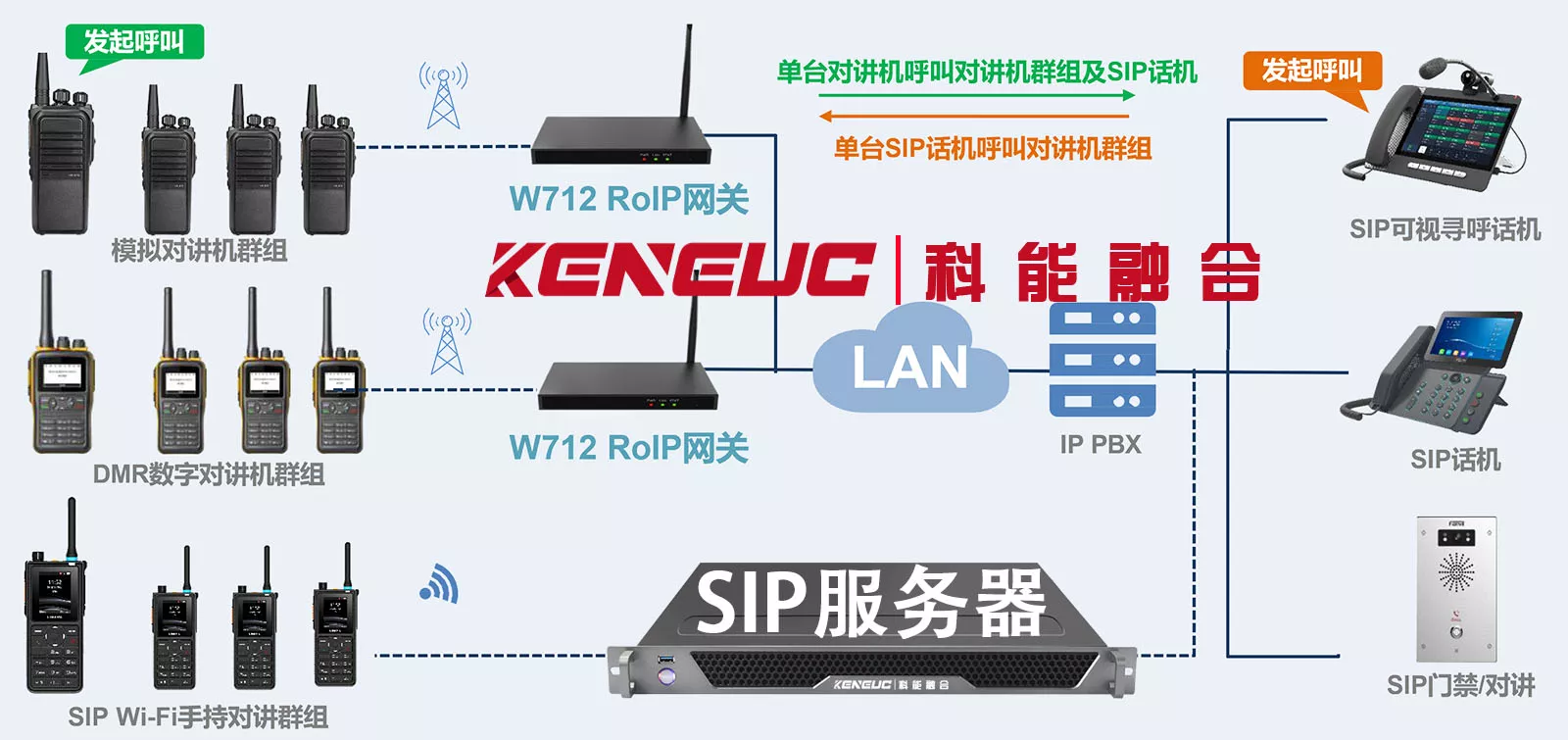
Office telephony, duty calls, public paging and one-touch emergency calls can follow different routes by campus, building and duty role. During an incident, operators can use familiar communication channels for calls, paging and notifications instead of switching systems.
Support enterprise extensions, SIP trunks, IP phones, softphones, analog phones and multi-branch networking with calling, transfer, pickup, conferencing, recording, permissions and numbering rules.

Display the location and status of people, vehicles, terminals, cameras, alarm points and critical areas on a map. Support area selection, nearest-resource dispatch, track history and resource search. When an alarm occurs, the system can locate the incident and show nearby communication and response resources.
Associate telephony, paging, intercom, video, access control and alarms by campus workflow so operators can view incident status and launch the required communication actions from one place.
Connect campus devices, user roles and business systems through terminal access, platform capabilities, applications and multi-device use. Deployments can be phased according to existing networks and equipment.
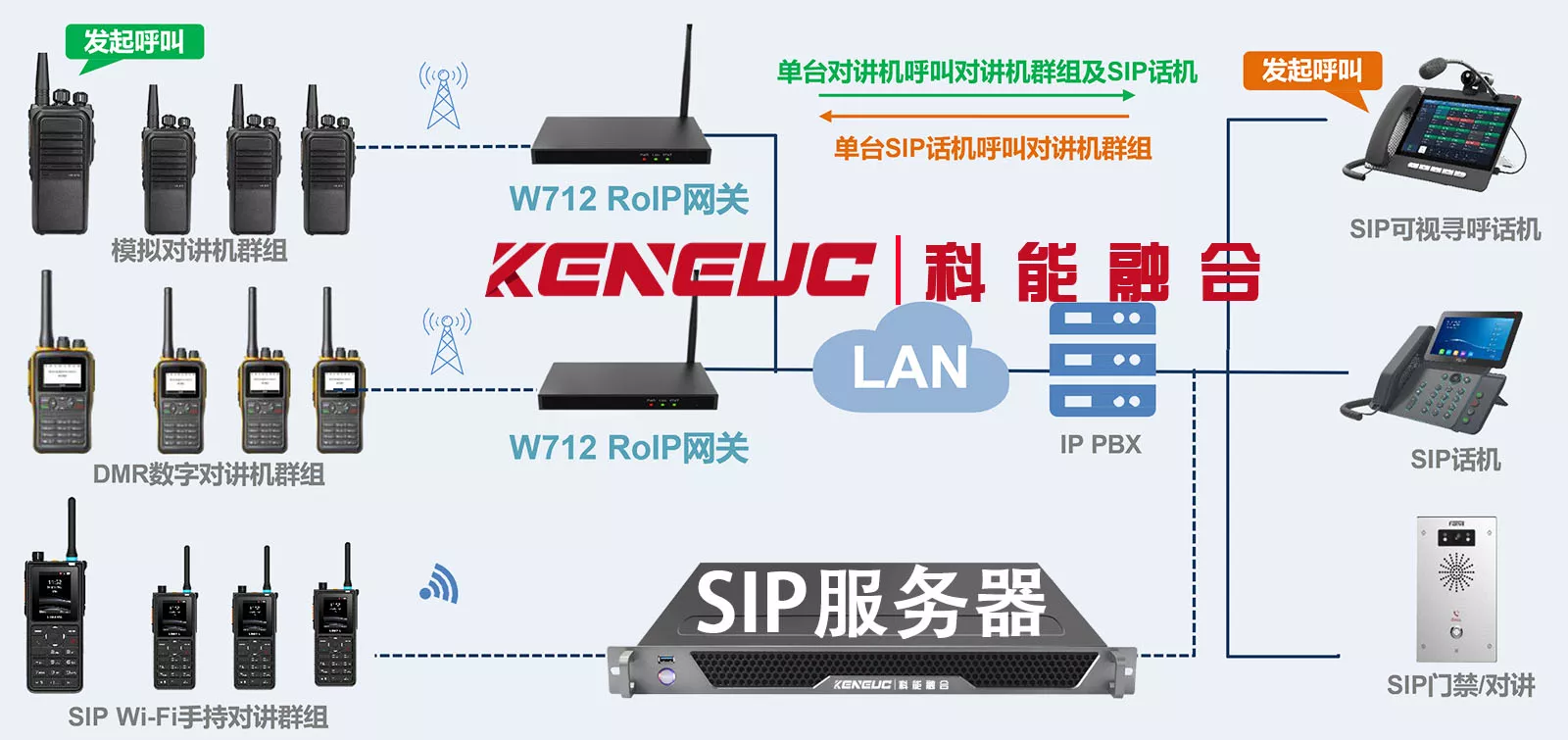

C phones, paging terminals, intercoms, analog voice gateways and third-party business systems across different campus networks and line conditions.
Operators can handle calls, paging, notifications and incident response from dispatch consoles, desk phones, web clients or mobile devices.
Integrate access control, video, fire systems, campus management and alarm platforms through standard protocols and APIs, with project-specific workflows.
Start with critical-area communication and emergency requirements, then expand to dormitories, teaching buildings, venues and multi-campus management.
Control lighting based on ambient light, schedules and occupancy while centralizing device status to reduce unnecessary operation in unoccupied areas.

Centralize temperature, humidity, air quality, noise and equipment status, and deliver exceptions through notifications, paging or work-order interfaces.
Manage lighting and electrical equipment by area, schedule and usage status, using records to identify idle operation and abnormal energy consumption.
Monitor critical circuits, distribution areas and equipment rooms, and deliver abnormal alarms to duty staff and the campus dispatch center.
Connect access intercoms, visitor calls, duty phones and emergency call points to the campus communication system for coordination among gate staff, security and management.
Unified communications and zone management reduce time spent locating contacts and repeating notifications, while making incident handling easier to record and review.
Centralize temperature, humidity, air quality, noise and equipment status, and deliver exceptions through notifications, paging or work-order interfaces.
Manage lighting and electrical equipment by area, schedule and usage status, using records to identify idle operation and abnormal energy consumption.
Control lighting based on ambient light, schedules and occupancy while centralizing device status to reduce unnecessary operation in unoccupied areas.
Share your existing systems, number of campuses, terminal types and key scenarios. We can help define access methods, system boundaries and implementation steps.
Contact Us Now